On this day in 2004: Barrera settles Morales trilogy
Once and for all
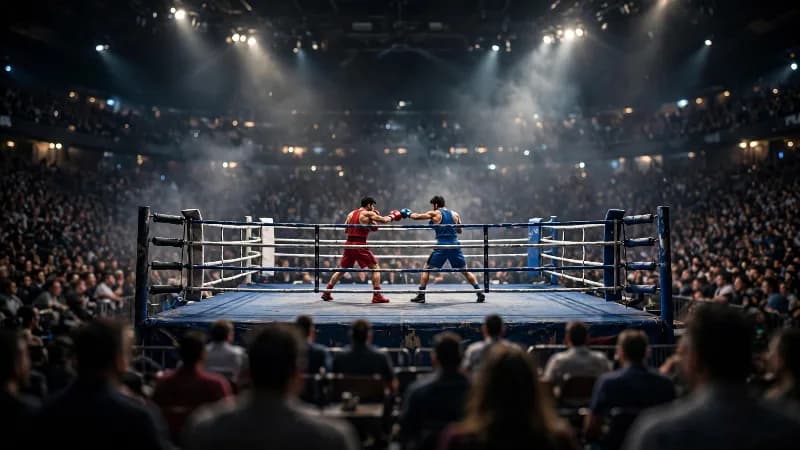
On November 27, 2004, Marco Antonio Barrera and Erik Morales met for the third time at the MGM Grand, Las Vegas. Morales defended the WBC super-featherweight title. The bout was billed "Once and For All" — and it was: two fights in, the rivalry stood at one win each.
Morales had taken the first meeting on February 19, 2000, at Mandalay Bay, winning a split decision. Barrera had answered on June 22, 2002, at the same MGM Grand, taking a unanimous decision and the WBC featherweight title. Both verdicts were argued over for years. The third fight would settle the series.
It was more than a title fight. Barrera and Morales carried one of boxing's fiercest rivalries, and their first two meetings had been fought at a pace few could sustain. The third was billed as the last word, and both men fought like it.
Twelve rounds, one round apart
Twelve rounds later, the trilogy had its answer — by the narrowest margin. Two judges scored it for Barrera, 115-113 and 115-114. The third called it even, 114-114. Barrera won by majority decision, took the trilogy 2-1 and the WBC super-featherweight title — a world title in a third weight class.
The fight lived up to the billing. The two men fought at a furious pace from the first bell, neither giving ground, and the eleventh round was the night's peak — the exchange The Ring magazine later named its Round of the Year. The fight was named The Ring's Fight of the Year for 2004.
Before 11,162 fans, Barrera raised his arms as the winner. Morales had nothing left to prove and everything to regret: the series that had defined both men now belonged to his rival, two fights to one.
A trilogy settled
The third fight settled what the first two had left open. The scores were close, but the verdict stood, and the trilogy — one of the great series in the sport — finally had its ending, two fights to one.
It remains one of boxing's most famous trilogies. Barrera and Morales fought three times, and each fight was argued over, celebrated and remembered — but only the third ended the argument, and it ended it in Barrera's favour.
The upset of the decade
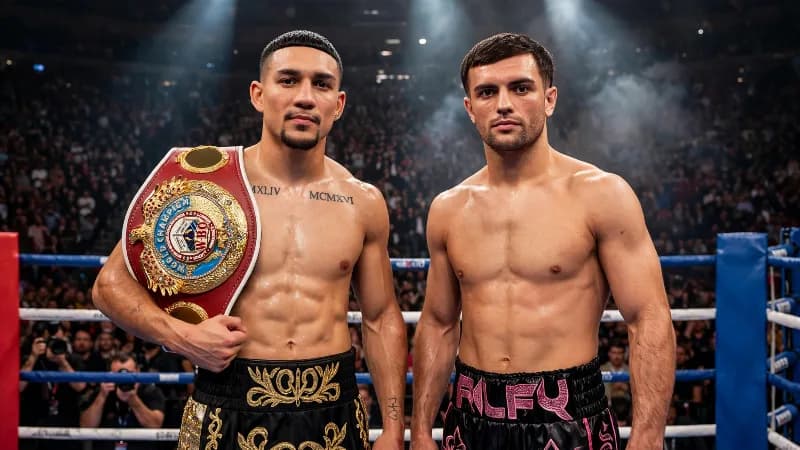
Seventeen years later, November 27 produced one of the great upsets of the modern era. At the Hulu Theater at Madison Square Garden, George Kambosos Jr. challenged Teófimo López for the unified lightweight titles — WBA (Super), IBF, WBO and The Ring — and López, fresh from beating Vasiliy Lomachenko, was a heavy favourite.
Kambosos floored the champion in the first round. López dropped him in the tenth. But the Australian survived, outworked the champion down the stretch, and took the split decision: 115-111, 115-112 for Kambosos, 114-113 for López. He left New York the unified lightweight champion.
A master on the road
Forty years before Barrera and Morales, November 27 belonged to Éder Jofre. The Brazilian bantamweight master travelled to Bogotá, Colombia, in 1964 to defend his WBC bantamweight title against Bernardo Caraballo — and stopped the Colombian in the seventh round.
Jofre is remembered as one of the greatest bantamweights who ever lived. On a November night in Bogotá, far from home, he showed why: in full command, against a challenger fighting in front of his own people, and finished inside the distance.
One date, three eras
Three November 27s, three champions defending or chasing crowns — a trilogy settled in Las Vegas, an upset in New York, and a masterclass in Bogotá. The date does not do quiet nights.