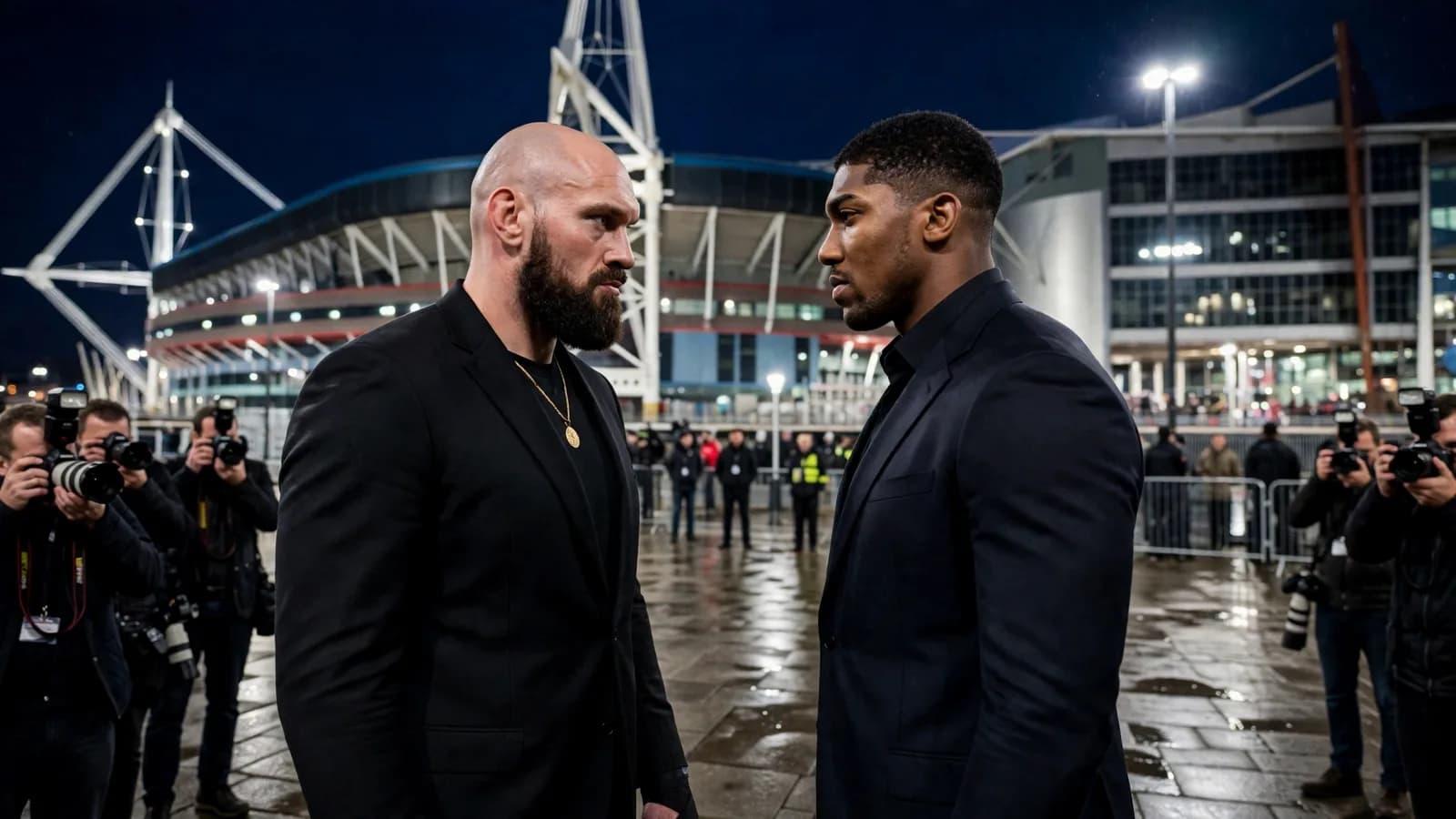
Cardiff hearing eve: Fury v Joshua 1am start rests with three councillors
The last undecided piece of Fury v Joshua goes before Cardiff Council tomorrow morning.
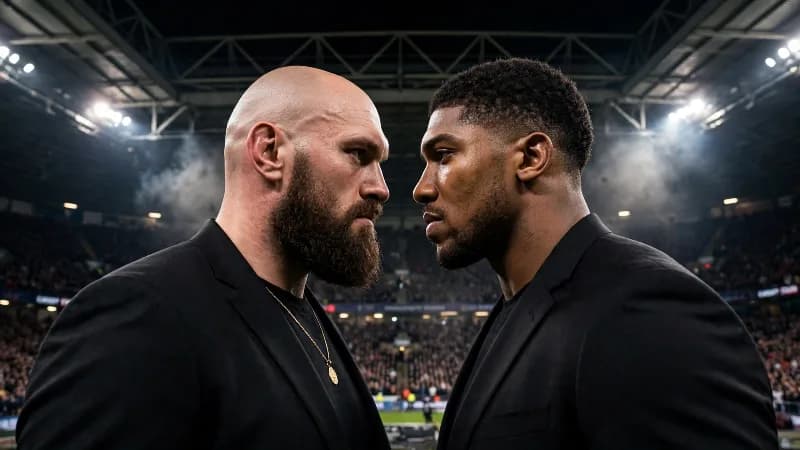
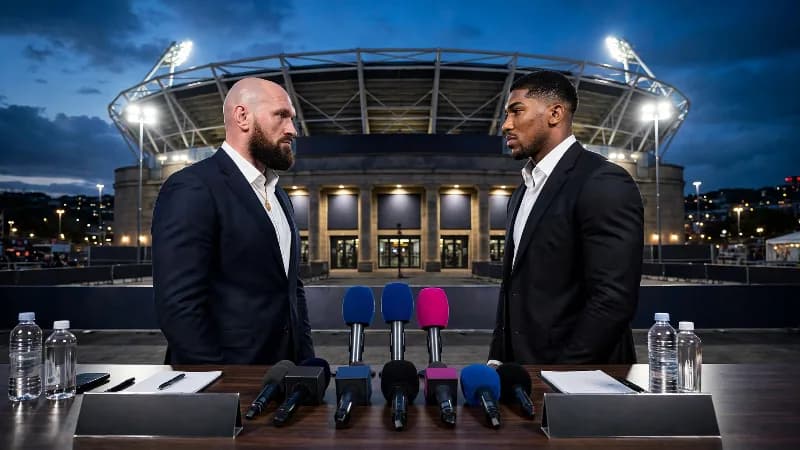
Tyson Fury against Anthony Joshua is seventeen days away, and the last piece of the event that is not yet settled will be decided in a council chamber tomorrow morning. At 10am on Wednesday, November 25, three councillors — Ferguson-Thorne in the chair, alongside Driscoll and Lancaster — will sit in Committee Room 4 at County Hall to decide whether the biggest fight in British boxing can start at 1am.
Application 126930, the second item on the agenda, asks to vary the venue's premises licence for one night only: Saturday, December 12. The evening of boxing begins on Friday, December 11, inside the stadium's existing hours. What needs permission is everything after 1am — the main-event ring walk, scheduled for 1am after a limited live-music set, and licensed activity running until 3am, with the stadium staying open until 3.30am. Concourse bars would stop serving alcohol at 1am; hospitality boxes could serve until 3am. The stadium's normal curfew, roof closed, is 1am.
What the residents are arguing
Three residents' representations call for the application to be rejected. A fourth supports the fight taking place but asks for additional conditions to protect the people living around the stadium.
One resident in Canton, with two young children aged four and seven, said the bass from the stadium's sound system can already vibrate their windows on normal match days, and called the proposed early-hours finish "a joke". They warned that "the shouting, singing, and inevitable anti-social behavior at that hour is going to completely wake the whole house up and leave us with exhausted, stressed children".
A third objector warned the disruption would reach well beyond the streets around the stadium, claiming noise from previous events had been heard across much of central and greater Cardiff even when the roof was closed. They asked the council to refuse the application in its current form — or, if it was minded to approve it, to impose strong and enforceable conditions.
The resident who supports the fight, who lives directly opposite the stadium, put the scale of the night in numbers: up to 80,000 people could be leaving between about 2am and 3.30am on a Friday night in December. They have asked for a written dispersal plan covering Wood Street and Westgate Street, with stewards remaining until the crowds have cleared, outside music to stop after midnight and the streets cleaned by 8am.
The stadium's answer
The stadium's case is that the late finish has been planned for, not wished away. Its operating schedule promises extra security units and significantly more stewards than usual, and a post-event transport plan drawn up with Transport for Wales, Great Western Railway, Network Rail and Cardiff Council.
That plan is the direct answer to the objection raised most often by residents: how thousands of people get home after a 3am finish. Additional TfW and GWR trains are planned to run between 2.30am and 4.30am, alongside Big Green coaches to major UK cities, park-and-ride facilities and additional flights in and out of Cardiff Airport.
Letters of support from local businesses cite the "significant economic boost" the event would generate, and BoxingScene understands the organisers are optimistic the extension will be granted. The sub-committee must weigh all of it against the four licensing objectives: the prevention of crime and disorder, public safety, the prevention of public nuisance and the protection of children from harm.
A card settled on Monday
On Monday, November 23, Netflix announced that Deontay Wilder will face Martin Bakole in the co-feature on December 11, after Wilder's original opponent, Jai Opetaia, withdrew through injury. Bakole, already due to box on the show against Solomon Adebayo, steps across on less than three weeks' notice. Wilder, 45-4-1 with 43 knockouts, meets Bakole, 21-2-1 with 16 knockouts, over 10 rounds.
Why 1am, and what tomorrow decides
The late hour is the condition on which the fight is in Britain at all. The organisers, Netflix and Turki Alalshikh, have insisted the contest must start in the early hours to boost global viewing figures, putting the main event in American prime time. Wembley Stadium, with its strict 11.30pm curfew, was ruled out on that basis. There is precedent: in 2007, Joe Calzaghe against Mikkel Kessler at the same stadium did not begin until about 1.30am, to satisfy the American broadcaster HBO.
Tomorrow the sub-committee has three options: grant the application, modify the conditions of the licence, or reject the whole or part of it. A refusal would leave the stadium without the extension it needs, forcing a change to the fight's arrangements a little over two weeks out.
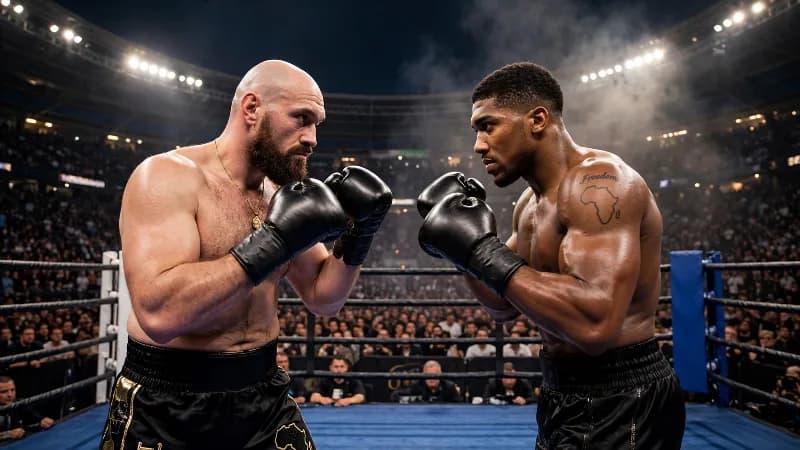
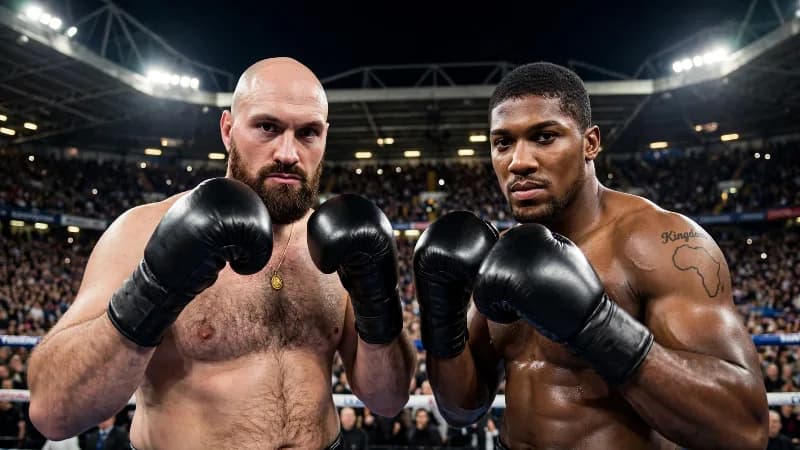
For the two fighters, none of this changes what is at stake in the ring. Fury, 36-2-1 with 25 knockouts, meets Joshua, 30-4 with 27 knockouts, for the vacant WBA super heavyweight title, in a 12-round fight billed as Finally and streamed worldwide on Netflix. Both men have been beaten twice by Oleksandr Usyk.
But the shape of the night — the hour it starts, the hour it ends, and how 80,000 people get home from a city-centre stadium at 3am — will be decided by three councillors in County Hall tomorrow morning. Seventeen days out, the licensing application is still the last piece of the fight that is not settled.