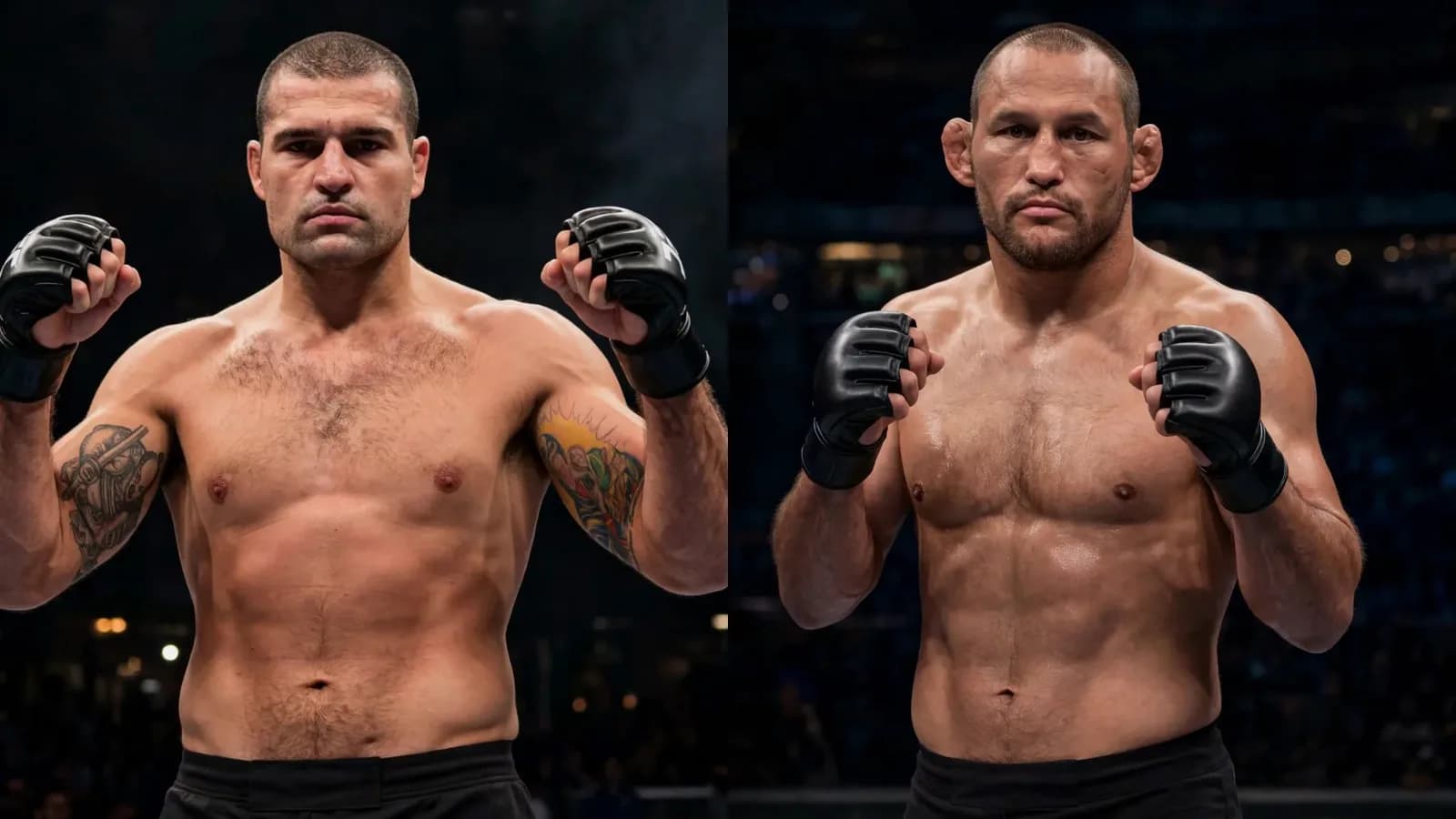
On This Day — November 19: Henderson Outlasts Shogun in the UFC 139 War
Some dates in this series are crowded. November 19 is not crowded — it is dominated, the way a room is dominated by one story told perfectly. In 2011, in San Jose, two men who had already given the sport a decade each produced the fight by which all other fights on this date — and most fights anywhere — are measured. Everything else on November 19 is either a prelude or an echo.
2011 — The first three rounds
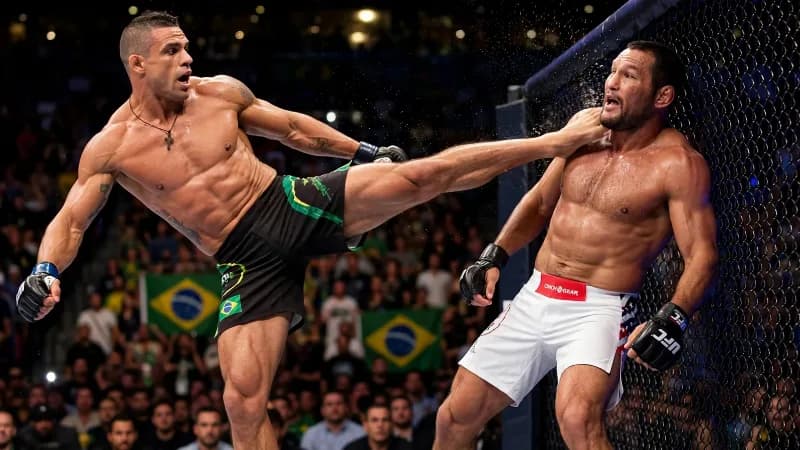
UFC 139's main event was itself an accident of scheduling: Dan Henderson versus Maurício "Shogun" Rua was elevated when the heavyweight title fight moved to the UFC's FOX debut, and it was booked under the promotion's new experiment — five rounds for a non-title main event. Both men arrived carrying recent history. Henderson, 41, a former PRIDE champion in two divisions and the last Strikeforce light heavyweight champion, came home to the UFC after knocking out Fedor Emelianenko, the great heavyweight of the PRIDE years, in a Strikeforce cage that July. Shogun, 29, PRIDE's 2005 Grand Prix king, had surrendered the UFC title to Jon Jones that March and knocked out Forrest Griffin in August to stay in the conversation. Neither was the champion anymore. Both were one win from the champion's door. What they produced instead was bigger than the belt either was chasing.
For three rounds it was Henderson's fight, and it was nearly over a dozen times. He wobbled Rua in the first, controlled the second, and in the third detonated the famous H-bomb — the overhand right that dropped Shogun flat and brought a storm of hammerfists down on him. Rua, on instinct from a career of wars, rolled into a heel hook, survived, and did something no beaten man is supposed to do: he got up and started winning.
2011 — The last two rounds
Rounds four and five belong to Shogun and to the sport's permanent archive. Rua hurt Henderson in the fourth, took him down, mounted him. In the fifth he mounted him again and again — five times in the round, by the UFC's own count — while Henderson, emptied completely, landed not a single significant strike in five minutes. The horn saved the decision, and the judges read it 48–47, 48–47, 48–47 for Henderson: three rounds banked early, two surrendered late, one point of daylight. Under modern scoring the fifth would likely be a 10–8 and the fight a draw; under the rules of the night, Henderson had it, and almost nobody begrudged either man anything.
Both men were taken to the hospital afterward, and the fight was named 2011's Fight of the Year. In July 2018 it was inducted into the UFC Hall of Fame's Fight Wing — a fight, enshrined like a fighter. "The first fight between Dan Henderson and Shogun Rua is one of the best fights I've ever seen," Dana White said when the induction was announced. "This fight represents everything that's great about UFC." Henderson himself admitted the scale of it had escaped him in the cage: he knew they had thrown and landed a lot of big shots, he said, but had no idea people were calling it one of the greatest fights ever while it was happening.
Consider what the 48–47 conceals. Henderson's first three rounds contained at least three sequences that finish ordinary opponents; Rua's last two contained a sustained beating of a man who had never been beaten that way. The scorecards required three judges to compress both halves into a single point of difference, and the argument the compression created — robbery, gift, correct call, missing 10–8 — has now outlived both careers.
They would do it again in March 2014, in Natal, Brazil, and the sequel honored the original by refusing to be simple: Shogun knocked Henderson down in the first round and again in the second, the home crowd tasting the revenge — and Henderson, 43 years old, rallied in the third and stopped him anyway, in front of a stunned arena. Two fights, three knockdowns suffered by the winner of the series, zero easy minutes. But a series like that still has a first chapter, and everything the rematch proved about these two men had already been proven in San Jose. The rematch is a footnote. The original is a monument.
2011 — The card beneath the monument
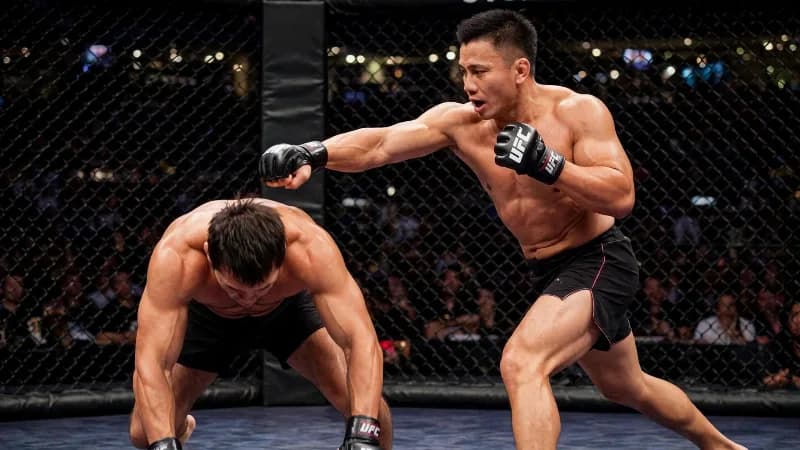
UFC 139 did not coast on its headliner. Wanderlei Silva, widely assumed finished, survived Cung Le's spinning assault — backfists that dropped him to a knee in the first — and in the second round cornered the former Strikeforce champion, who was making his UFC debut at 39, with punches and the knees of his PRIDE prime, forcing a stoppage at 4:49 that Le's supporters called early and Silva's called mercy delayed. For one night the Axe Murderer of the PRIDE years was fully back, and the building knew it. The two top fights shared Fight of the Night honors. Beneath them, Urijah Faber mauled Brian Bowles standing and then snatched a guillotine at 1:27 of the second to earn the next title shot; and on the prelims, a young wrestler named Chris Weidman choked Tom Lawlor unconscious with a D'Arce — before he would knock out Anderson Silva in July 2013 and rearrange the middleweight division. Even the middle of the card had a future champion hiding in it.
The date's other rooms
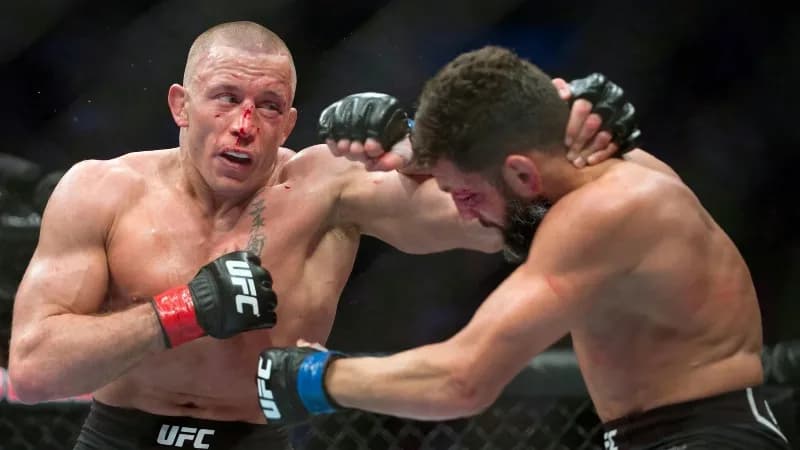
November 19 had announced itself six years earlier. At UFC 56 in 2005, Rich Franklin defended the middleweight title against Nate Quarry and produced the era's most replayed knockout: one punch, 2:34 of the first round, Quarry falling stiff and straight backward like a cut tree — an image so stark it still illustrates concussion discussions today. On the same card, a 24-year-old Georges St-Pierre stopped Sean Sherk, one year before his own first title on November 18.
And in 2016 the date ran a double shift: in Belfast, Gegard Mousasi avenged the great upset of his career by taking Uriah Hall down and pounding him out inside the final minute of the first round, on a card where Alexander Volkov made his UFC debut; hours later in São Paulo, Ryan Bader stopped Antônio Rogério Nogueira in the third round of their rematch. Fine fights, both. Neither stood a chance of owning the date.
Also on this day
- 2005, Las Vegas: Matt Hughes submitted Joe Riggs by kimura on the UFC 56 card — a title fight downgraded to non-title only because Riggs missed weight.
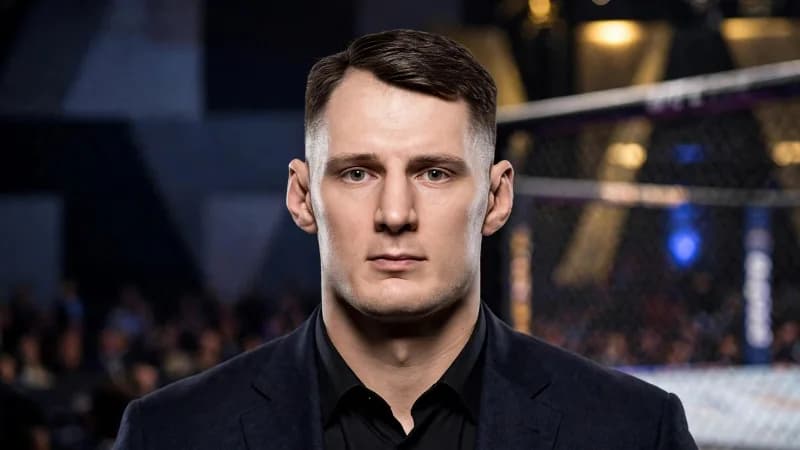
- 2016, Belfast: Alexander Volkov's split decision over Timothy Johnson was the Russian heavyweight's first step in a UFC run that would reach the title picture.
There is a final measure of the San Jose fight that no other date in this series can match: it changed how its participants were remembered. Henderson arrived as a great fighter with a cult following and left as something larger — the 41-year-old who could not be finished and would not stop coming; Rua arrived as a fading champion and left having produced, in defeat, the finest sustained comeback the sport had seen, the performance that guarantees his name outlives his title reign. Fights are sometimes called wars as a courtesy. November 19, 2011 earned the word honestly, which is why the date needs nothing else.
Dates, like divisions, have champions — and November 19's champion fought in San Jose in 2011 and needed two men to make it immortal.