O'Malley Says Song Puts Merab's Lights Out — White Calls It a Good Problem
“Three-round fight, Song Yadong knocks out Merab for sure.”
Suga has beaten the champion and the contender. Now he is calling the fight that sorts out which one he meets next — and the boss admits the matchmakers spent all of Saturday night texting about the same two names.
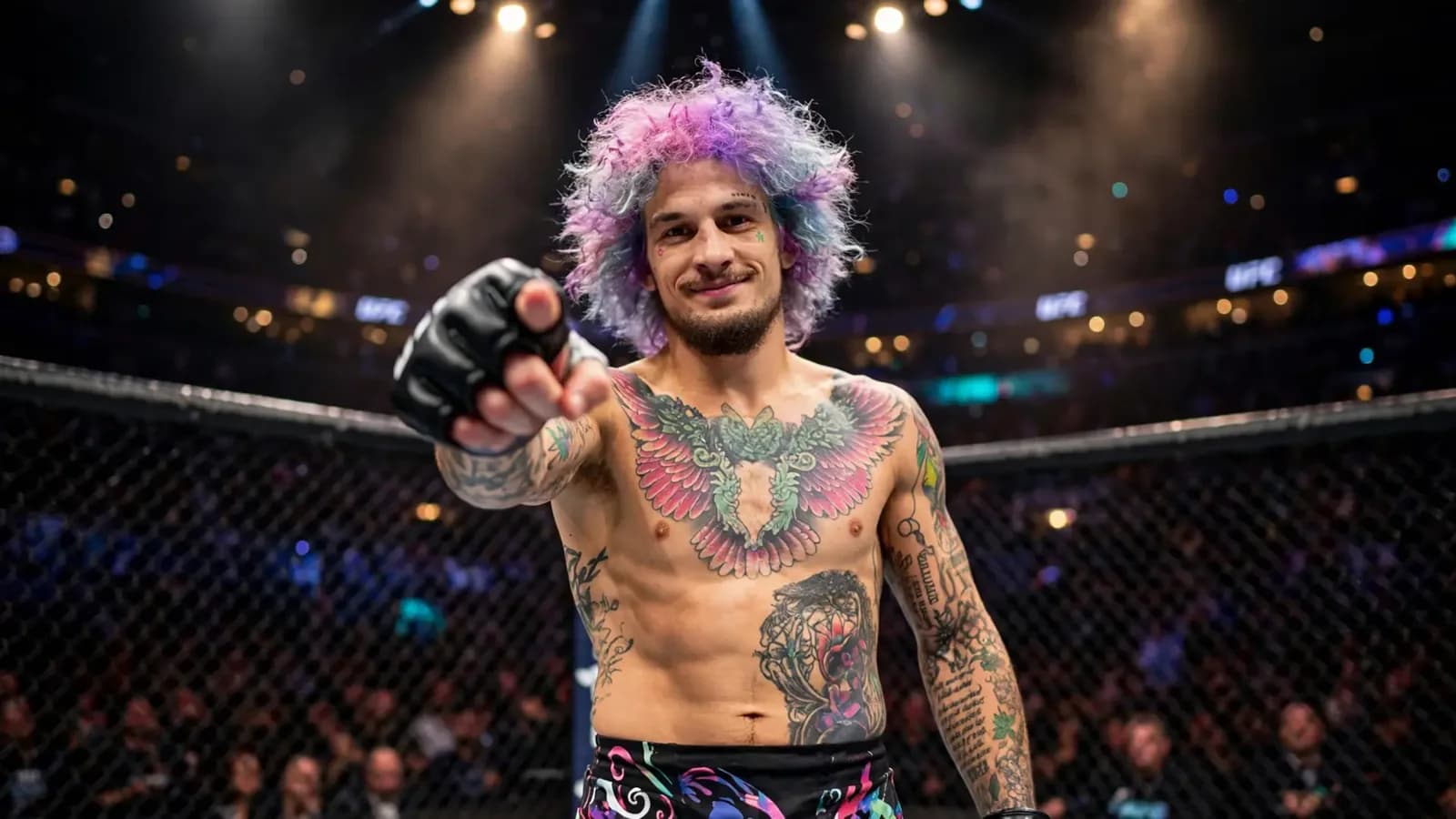
Sean O'Malley does not usually hand out free scouting reports. This one came with a guarantee.
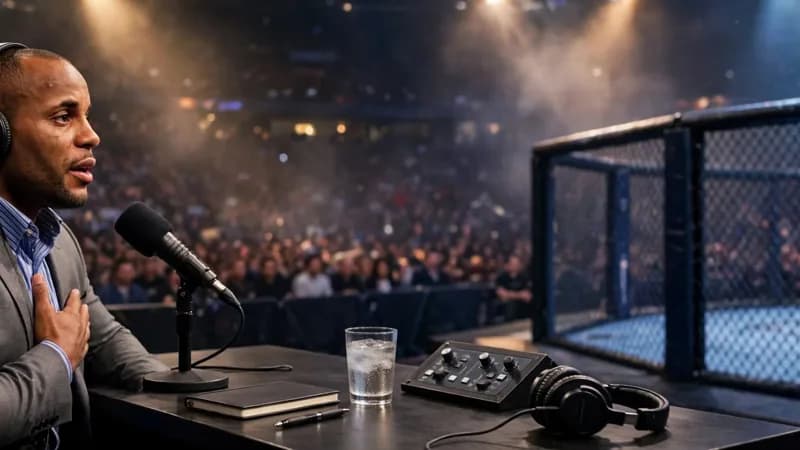
"Three-round fight, Song Yadong knocks out Merab for sure," O'Malley said on his YouTube channel. "He's just so explosive and he's just gonna be hard to take down. He's been wrestling a lot; he's been grappling a lot. His reaction time is so f*cking fast. I think he can put Merab's lights out."
Predictions are cheap in this sport. This one is not, for one reason: nobody talking about the top of the bantamweight division has better information than the man talking. O'Malley has beaten Petr Yan. He has beaten Song Yadong — in January, in the flesh, close enough to feel the timing he is now describing. When he says Song's reaction time is a problem for a wrestler, he is not reading a scouting report. He is filing one.
The setting matters. On Saturday at UFC 333, Yan defended the bantamweight title against Merab Dvalishvili, winning 48-47 on all three cards in the third fight of their trilogy. Dvalishvili did what he always does — pressure, volume, takedown attempts in chains — and it was nearly enough, the way it is always nearly enough. Nearly, three scorecards deep, is the story of his year: he lost the belt to Yan at UFC 323 last December and has now lost the rematch by the width of one round on every card.
Song, meanwhile, has spent the year making O'Malley's January win over him look better every time he fights. He submitted Deiveson Figueiredo in May. In August, in Shanghai, he knocked out Umar Nurmagomedov. That knockout is the whole argument in miniature: a pressure wrestler shot, and the man with the fast reactions and the heavy hands was still standing when it ended, and the wrestler was not.
That is the stylistic case for the prediction, and it is a real one. Dvalishvili's game is built on surviving the early exchanges and drowning people late. A three-round fight — the format O'Malley specified — cuts both ways: less time for the drowning, more weight on every early exchange against a man who only needs one clean read.
But there is a second layer to the call, and O'Malley is too good a businessman to pretend otherwise. Asked at Saturday's press conference whether Yan's next defense goes to Song or to O'Malley, Dana White did not pretend the question was settled.
"Me and the matchmakers were texting the entire night about Song Yadong and O'Malley," White said. "Both are great options, and it's a good problem to have to figure out which one of those two would be next."
O'Malley's own preference is on the record and it is not subtle.
"I'm fighting Petr Yan next, I don't care," he has said. "It's gonna be the greatest, biggest bantamweight fight in UFC history."
Run the two paths. If Yan defends against O'Malley, the division still owes Song a fight that means something — and Merab, twice beaten by the champion and nowhere else to go, is standing right there. If Yan defends against Song, O'Malley waits, and the Merab question still needs an answer before any rematch talk is serious. Either road passes through the fight O'Malley just called. He is not matchmaking against his own interest. He is matchmaking toward a division with the questions already answered — one where the last man between him and a second Yan fight has been sorted by somebody else's hands.
The honest caveat belongs in the piece too: Merab Dvalishvili has made a career out of predictions exactly like this one, filed by men exactly this confident, and he has walked through most of them. Three 48-47 cards against the champion is not a man being figured out. It is a man one round from the belt, again.
But a call this specific — the round count, the method, the guarantee — from the one contender who has shared a cage with both of the champion's options is not noise. The UFC has a good problem, by its president's own admission. O'Malley just published his solution, and it ends with the lights out.